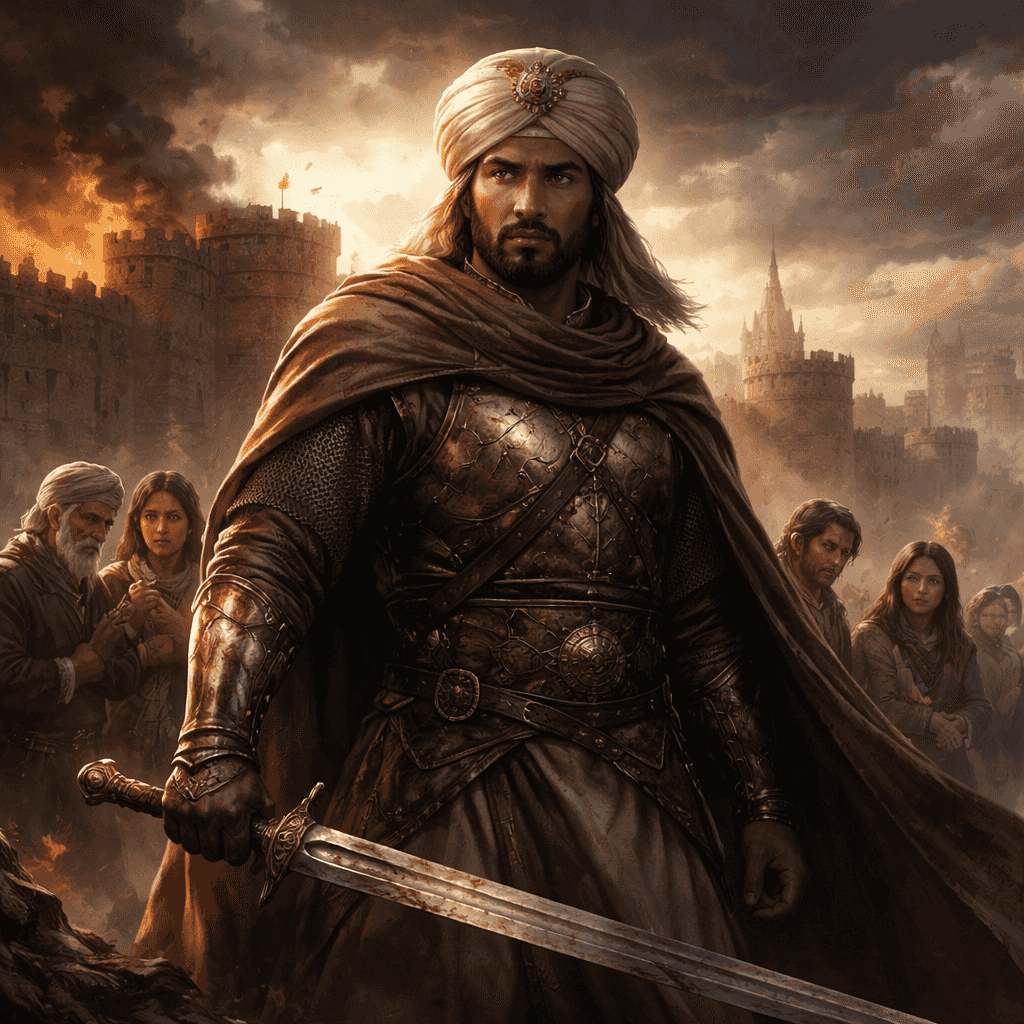
Village of the Dead: Napoleon, Mohamed Karim, and the Silence of Society
The 1798 Alexandria episode is more than military history; it is a moral mirror showing how societies often abandon those who stand up for them.
Village of the Dead: Napoleon, Mohamed Karim, and the Silence of Society
Note: This article is available in both English and Hindi.
This narrative is based on widely cited historical anecdotes and popular retellings. Wording may vary by source, but the central moral question remains the same.
Kabir's line "This is a village of the dead" feels less like poetry and more like social diagnosis.
Civilizations have seen prophets, saints, reformers, monks, revolutionaries, and freedom fighters. Yet the crowd often stays unchanged: alive in comfort, dead in conscience.
The story of Mohamed Karim in Alexandria, 1798, reveals this truth with painful clarity.
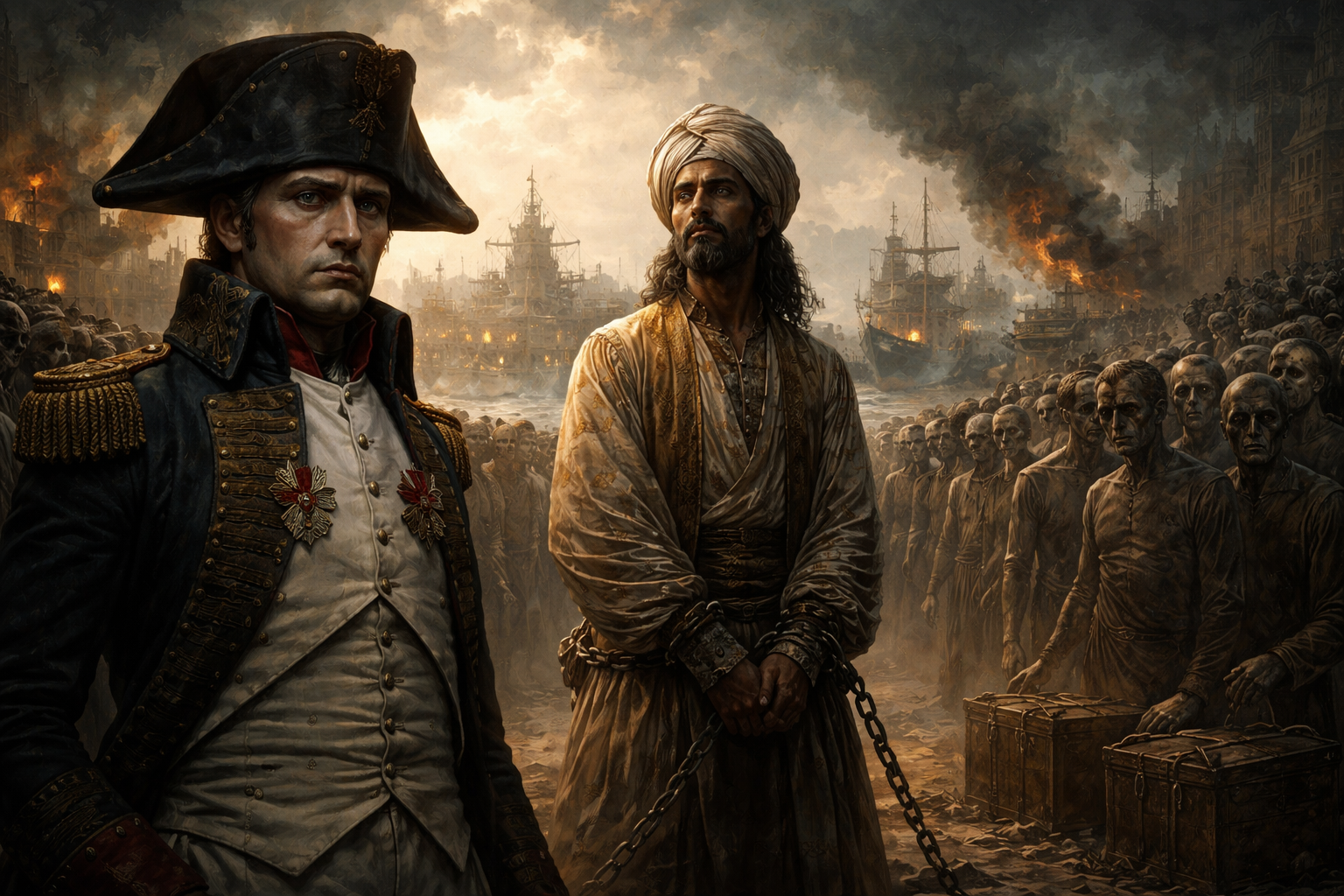
A visual reminder that the deepest battles are often moral, not just military.
Invasion, resistance, and the first fracture
When Napoleon's forces reached Alexandria, it was not merely a military event.
It was a three-layered crisis:
- a crisis of power
- a crisis of dignity
- a crisis of collective soul
Mohamed Karim chose to resist. Not for fame, but for responsibility.
Crowds usually stand at safe distances. Battles are fought by a few, and paid for by those very few.
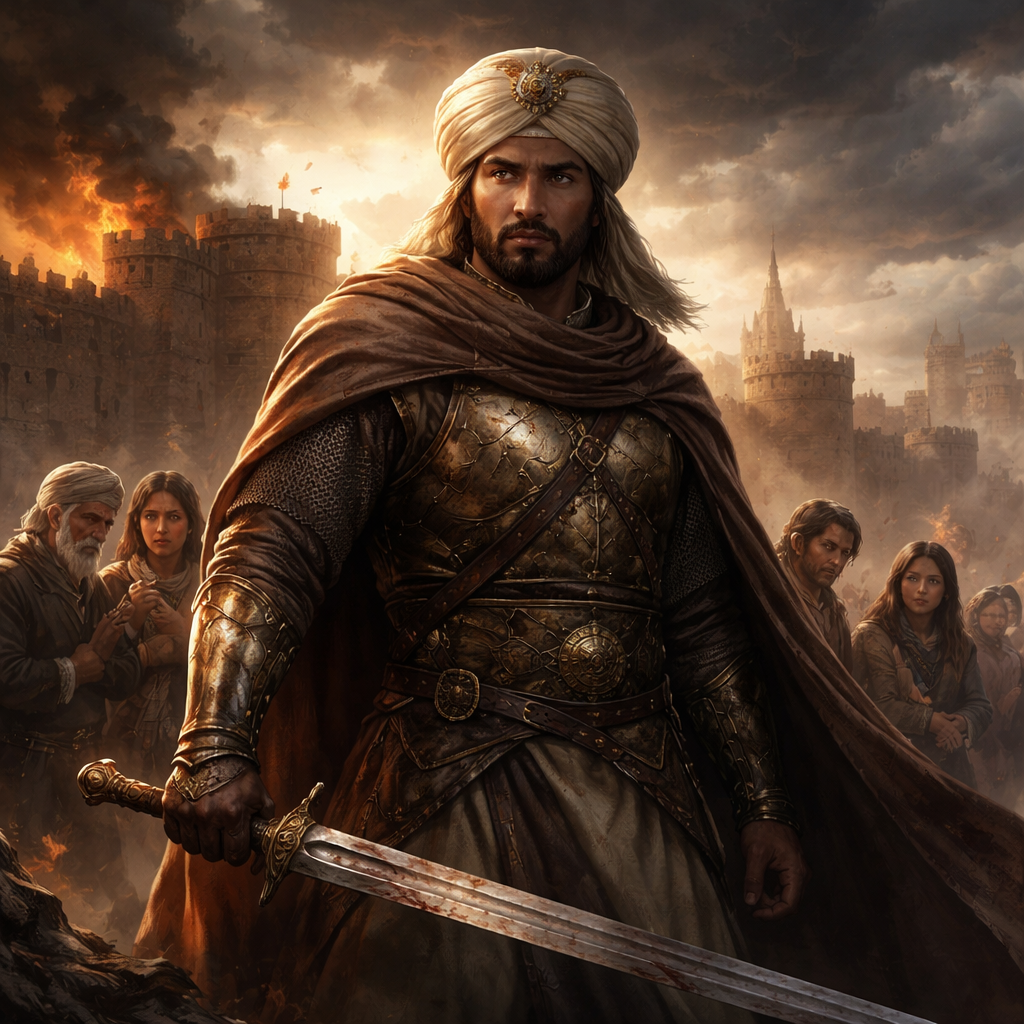
Resistance often begins where comfort ends.
10,000 gold coins and the collapse of trust
In popular historical references, Napoleon offered Karim a condition: gather 10,000 gold coins, and execution might be avoided.
This was not only a ransom demand. It was a civic test.
Karim believed the merchants and elites of Alexandria, for whom he had risked everything, would stand beside him.
What happened instead is the oldest social pattern:
- profit defeated courage
- vaults stayed shut
- excuses stayed open
- and the defender was abandoned by his own people
At that point, the wound was no longer military. It was moral.
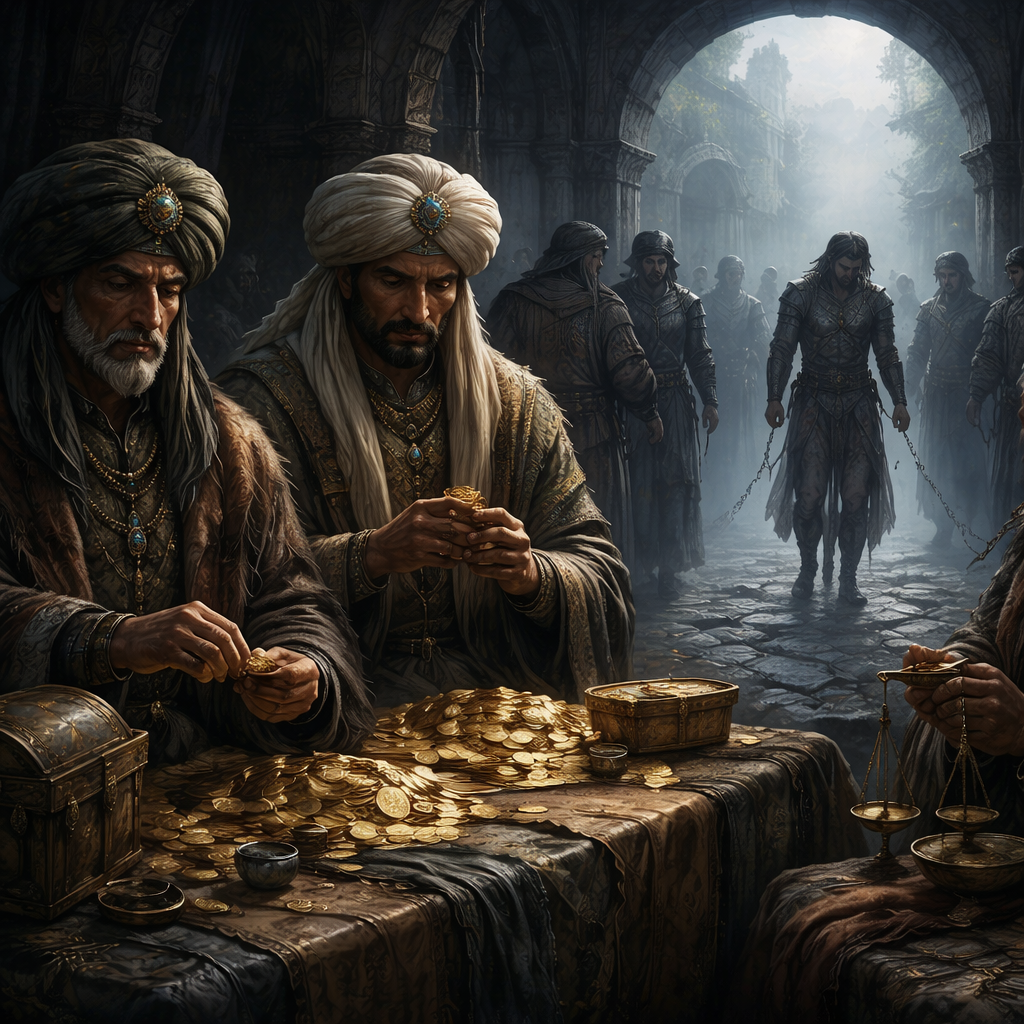
When vaults stay closed, societies reveal what they truly value.
The line that became a mirror
A quote often attributed to Napoleon is remembered in this spirit:
"I am not sentencing you to death because you fought me, but because you fought for people who valued profit more than freedom."
Whether wording differs by source, the point is devastatingly clear.
This is where war history turns into social history.
Why "dead society" is the central theme
The easy answer is: the defeated man was weak.
The harder answer is: the society was morally dead.
A dead society is one that:
- praises courage after the funeral
- refuses risk when support is needed
- wants heroes, but not the cost of standing with them
That is why this story still feels modern across countries and eras.
Kabir, Osho, and the architecture of dead consciousness
If Kabir's warning about a "village of the dead" is read through Osho's philosophical lens, one idea becomes clear: crowds often live through borrowed consciousness.
People respond less to inner moral clarity and more to manufactured narratives.
That is how dead societies are formed:
- power concentrated in a few hands
- wealth disciplining institutions instead of institutions disciplining wealth
- media, knowledge, science, and medicine shaped by influence networks
- and majorities fed with convenient stories instead of uncomfortable truth
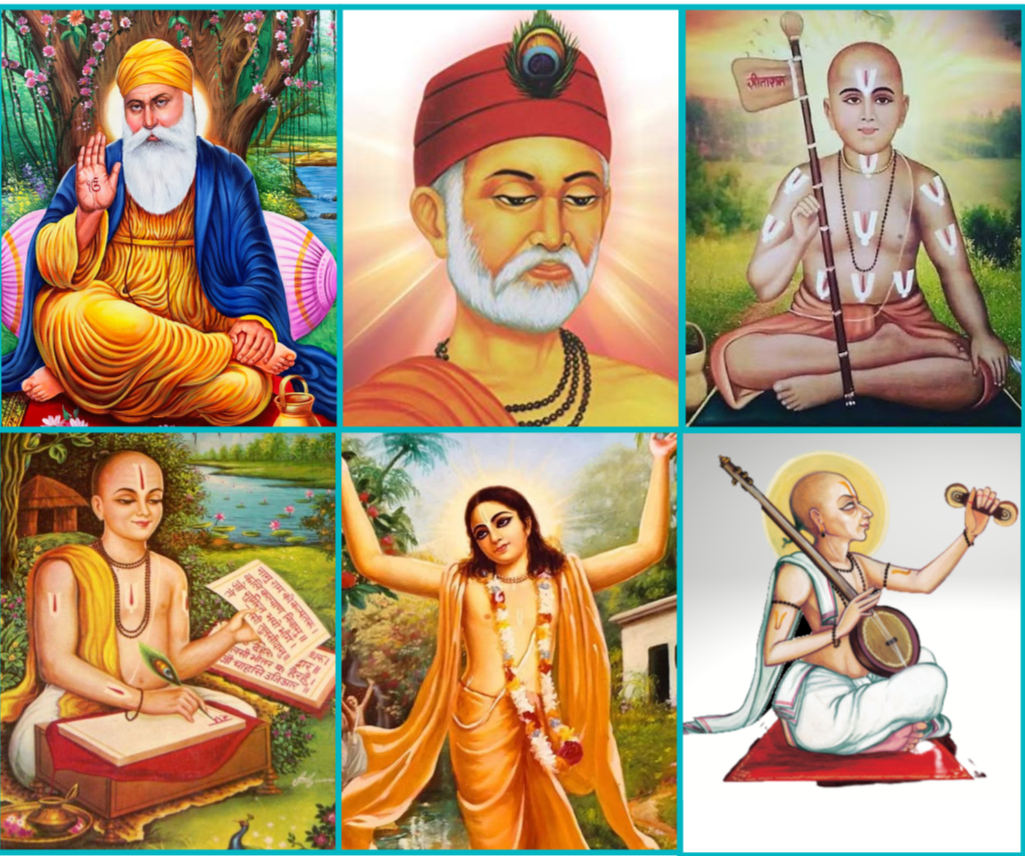
A visual metaphor for spiritual voices confronting social inertia.
This is why history repeatedly shows a similar pattern: anyone who challenges deeply embedded power arrangements is isolated, defamed, or removed from the center.
Names change, methods survive.
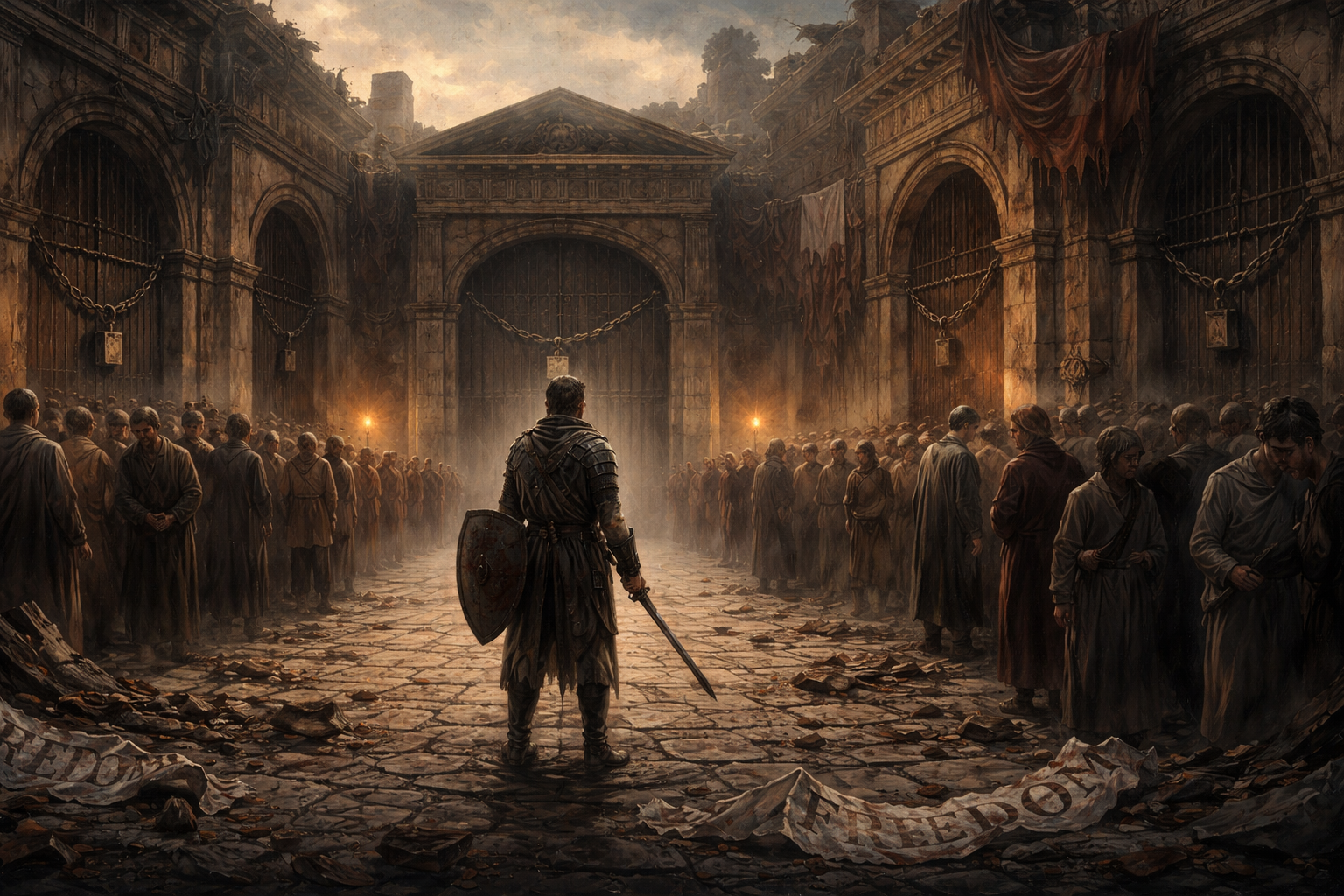
The crowd may be present, yet courage can still remain alone.
Global examples: what public discourse often argues
A widely discussed global argument says that whenever leaders challenge entrenched economic and geopolitical structures, intense pushback follows.
In that discussion, examples from West Asia, Africa, and Latin America are frequently cited, especially around leaders whose political trajectories ended violently or prematurely.
These examples remain contested. Historians, journalists, and researchers disagree on interpretation, causality, and responsibility.
Yet the deeper civic questions remain:
- do a few influence blocs exercise disproportionate control over resources and information systems?
- is public opinion engineered through media framing more than democratic reasoning?
- do societies decide by moral autonomy, or by pre-packaged narratives?
This is where the dead-society thesis returns: resources may exist, leadership potential may exist, yet living public conscience remains absent.
When societies normalize silence, injustice becomes systemic rather than exceptional.
Spiritual socialism and the unfinished revolution
Spiritual socialism is not only about economic fairness; it is also about equality of consciousness - freeing people from fear, greed, and manipulation.
Political revolution without inner revolution remains incomplete.
That is why many resource-rich societies still remain trapped in insecurity and structural inequality. The crisis is often not scarcity of land or minerals, but scarcity of awakened civic consciousness.
India too has seen saints, reformers, revolutionaries, and moral voices across eras. Yet crowds repeatedly choose private safety, short-term gain, and social conformity over collective moral courage.
And this is precisely why Karim's story hurts across centuries: sometimes coins become terms of survival, sometimes symbols of state, and sometimes the auction price of a society's soul.
Why this still matters now
The question is not about 1798 alone.
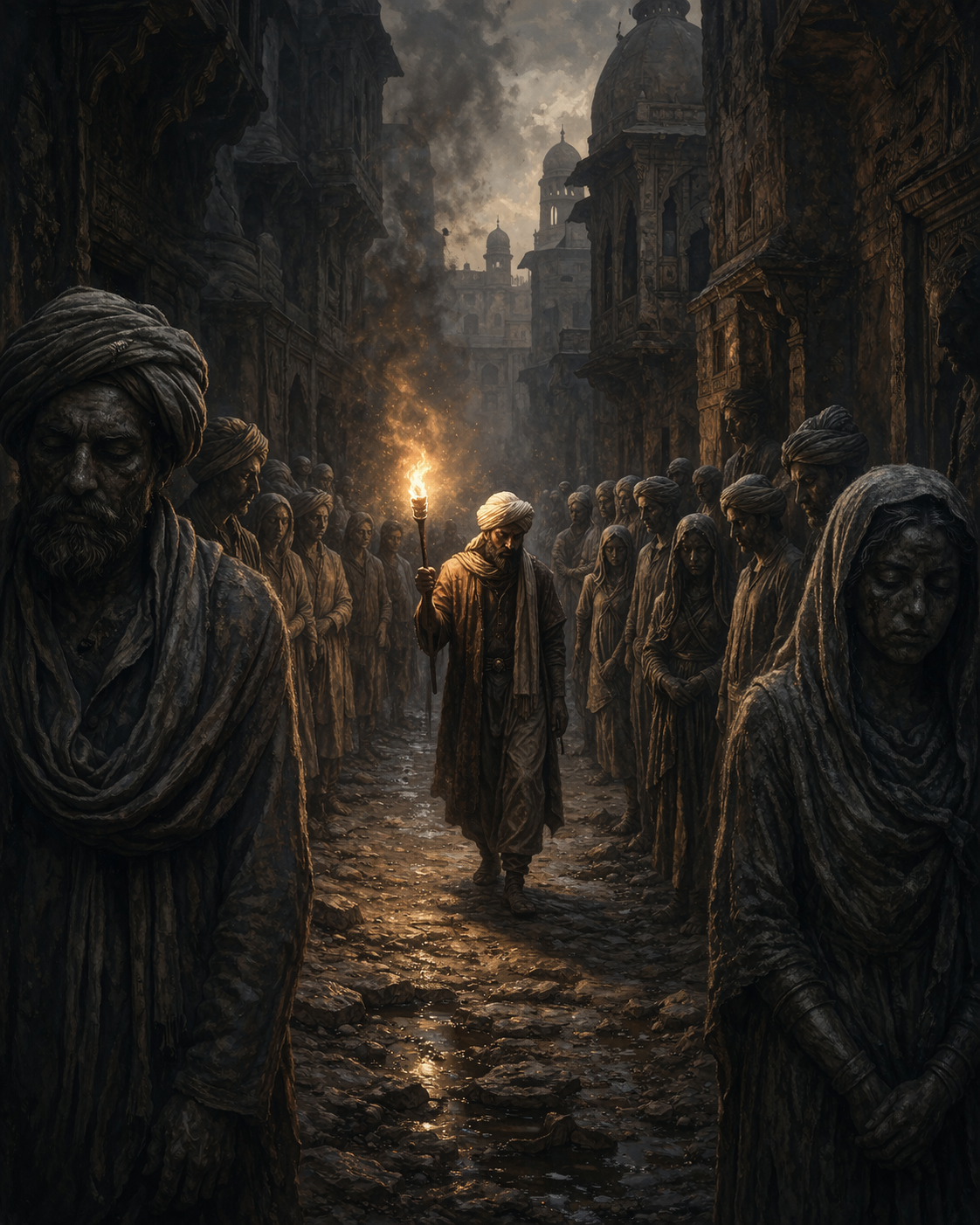
Silence, repeated across eras, becomes a social habit.
Even now, across the world, those who stand first for collective dignity are often left alone first.
The pattern repeats:
- loud support in words
- little support in risk
- admiration without solidarity
Conclusion
Mohamed Karim's story leaves one final question:
When the hour of decision comes, will we stand with the defender, or with our convenience?
A society that abandons its courageous people eventually loses freedom, ethics, and future together.
A defender does not break first from the enemy's sword. A defender breaks when his own people stop looking toward him.
Tags
About the Author
Vikas Singh "विमुक्त"
Editor of CogniSocial Research
Software Professional, Social Psychologist, Digital Marketer, Environmental & Civil Rights Activist. Researching how digital platforms shape human cognition and behavior, while advocating for social justice, environmental protection, and civil liberties.
Learn More About Author
Social Linksconnect with me