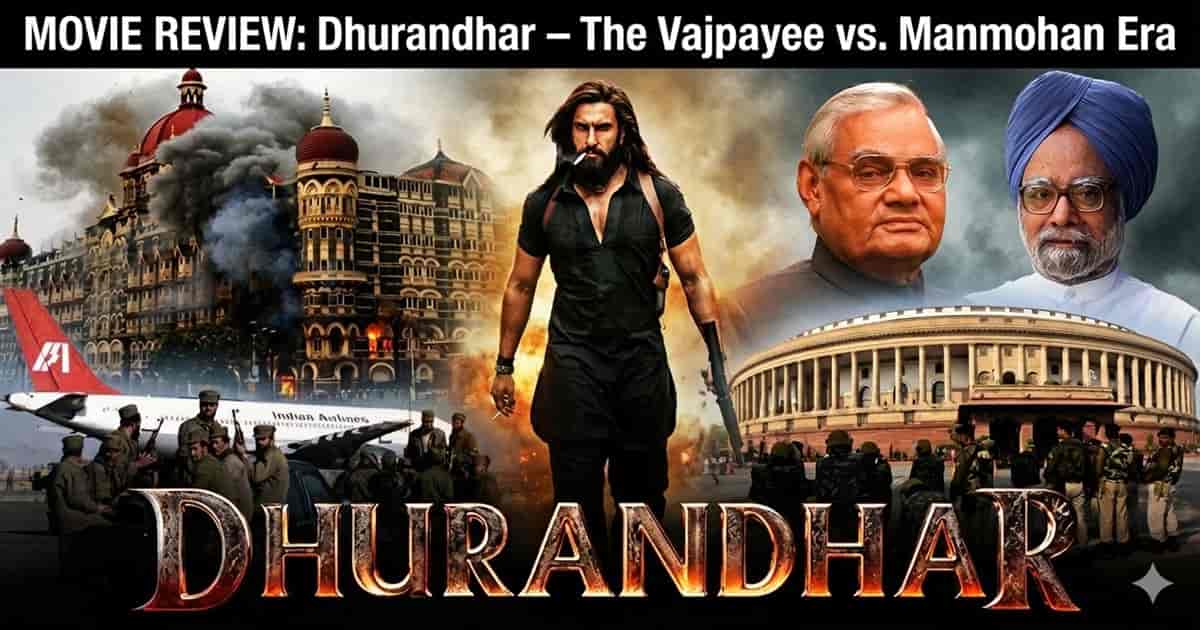
Film Dhurandhar Controversy | Vajpayee Government vs Manmohan Singh Government | Psychological Warfare
Dhurandhar film review - Psychological manipulation techniques have been used here. Analysis of Truth Anchoring, Selective Amnesia, Auditory Conditioning.
Film Dhurandhar Controversy | Vajpayee Government vs Manmohan Singh Government | Psychological Warfare
Akshay Khanna's portrayal of Rahman Dakait in this film is so extraordinary that the entire internet is buzzing with praise - trending on social media, critics raving, audiences mesmerized.
In this article, we'll discuss the controversies surrounding this film, analyze the real intentions of the filmmakers, and examine how they've influenced public perception. From a Social Psychology perspective, we'll understand in detail how scenes, background music, and screenplay have been manipulated to blend truth with fiction for political bias.
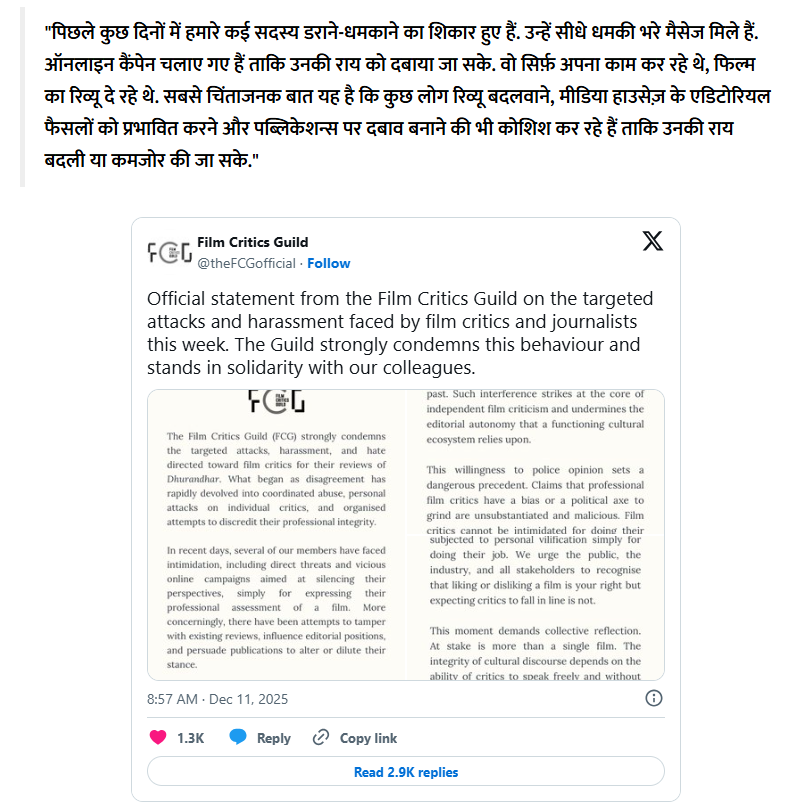
Attack on Film Critics
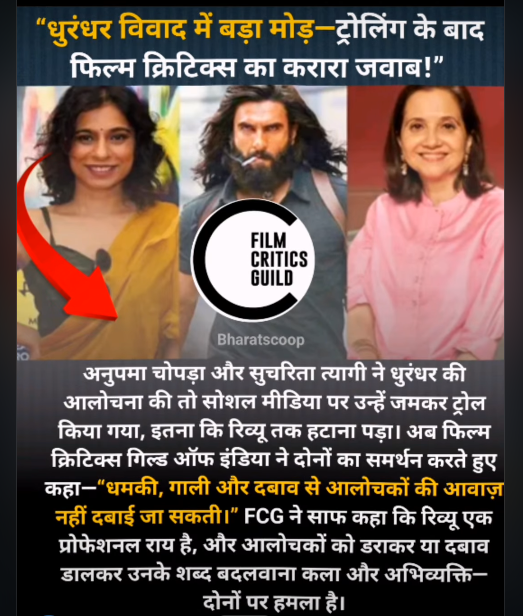
The Dhurandhar film has been mired in controversy from the start. First came the Delhi High Court petition, then when film critics and reviewers published their articles and statements, they were targeted in extremely offensive ways. Professional criticism became difficult, and there was an attempt to impose an organized culture of silence in society.
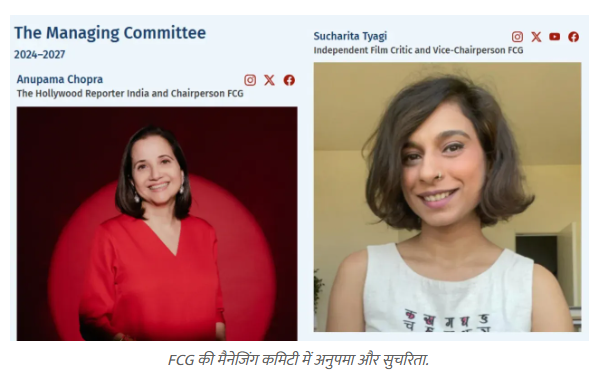
Anupama Chopra, who has been an established film critic for decades, a senior journalist, founder of Film Companion, and a highly respected woman in the literary and film world - was targeted in the most disgusting ways. She received gang rape threats, death threats against her family, and threats to send her to Pakistan. Critics like Raja Sen and other independent reviewers faced similar abuse - filthy sexual slurs and violent threats.
Everyone was being labeled "Pakistani" and "terrorist supporter." News channels weren't debating the real issues either - they were only discussing terrorism and patriotism, while the actual criticism was about something else entirely.
Here's the most important point: the entire internet and TV were deliberately avoiding the real issues. Critics and intellectuals raised questions about historical distortion, political bias, and selective narrative - but these were never addressed. Instead, sensational words like treason, terrorism, patriotism, national security were shouted to launch organized attacks on critics and questioners. The issue was turned into one about Pakistan, terrorism, traitors, Islamophobia - when the reality was something else entirely.
Link disagreement with treason - that's the technique. People stop asking questions on their own.
The Major Mohit Sharma Case
I don't know how much lies and propaganda are in this film - there are many factual inaccuracies that deserve debate - but I can confirm that systematic creative dishonesty has been done under the name of creative freedom. One political party was methodically targeted, while another was deliberately shown as ideal, protected from scrutiny through selective questioning.
A Case Study in Viral Marketing
Before discussing the film in detail, it's important to talk about the pre-release controversy, which is actually worthy of research in marketing psychology.
The first dishonesty - which was highly calculated - was done to the film's protagonist himself, the martyred soldier. Major Mohit Sharma's parents went to Delhi High Court. While filing their petition, they stated with specific details:
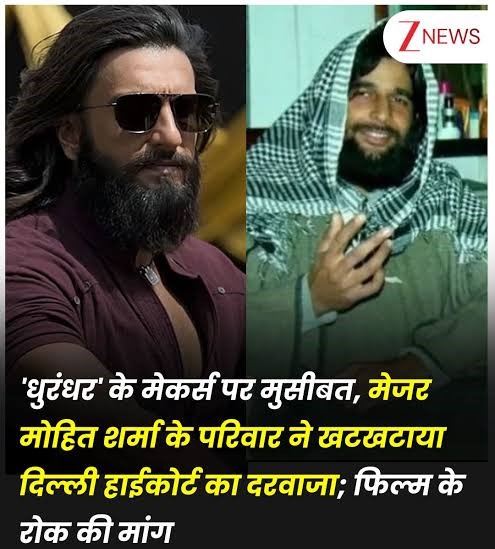
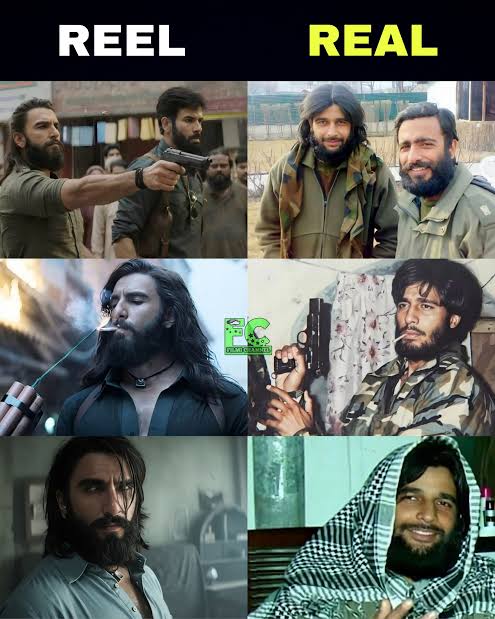
"The hero's character in the film trailer, his look, is exactly like our son. When Major Sharma took on the extremely dangerous mission of infiltrating terrorist groups as a Kashmiri Muslim, he had grown his hair and beard in exactly this manner and adopted this specific look. It seems like the filmmakers have copied many details. We're not asking for much - we're asking a simple question: why wasn't any permission sought from us? Even if not permission, at least a discussion should have taken place."
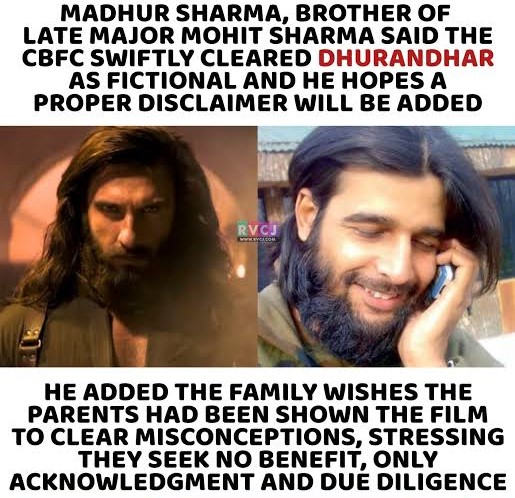
His brother gave an emotional yet dignified statement while speaking to Hindustan Times - "We don't want even one rupee from the film's commercial profits, we don't want monetary compensation. We just want to know if this film was inspired by our Mohit or not - which it clearly appears to be. If they took even a small portion or inspiration, they should mention my martyred brother's name somewhere in the film and give him due respect."
Psychological Analysis of the Viral Marketing Strategy
Then everywhere - mainstream news channels, digital news platforms, social media - the story went viral. Instagram influencers made emotional videos, YouTubers released detailed analysis videos, Twitter was trending. But the most interesting thing was that no one from the film team said anything publicly - no clarification issued, no response given - yet they aggressively continued promoting the film amidst the controversy.
This is a classic example of an Orchestrated Marketing Campaign:
- Controversy = Publicity Formula - even negative news is publicity
- No one knows where the news originated from - it leaked mysteriously
- Perhaps strategically paid promotion orchestrated the whole thing
- Emotional Connect Building - gaining sympathy from the audience
- Free Organic Publicity - crores worth of free media coverage
- Curiosity Creation - rapidly increasing curiosity about the film
The 180-Degree Turn After Reaching Court
But the interesting twist came when the matter legally reached the High Court and a formal legal notice arrived. Director Aditya Dhar (who is simultaneously the writer, producer, and director of this film) immediately issued an official public statement on Twitter/X - "This film is absolutely not based on Major Mohit Sharma's real life - it is fictional."
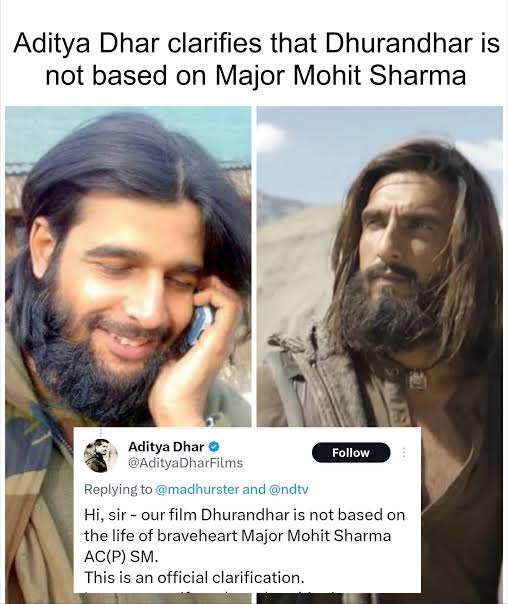
In one stroke, legally, all responsibility was washed off. They escaped legal liability.
This is a textbook example of Cognitive Dissonance Marketing:
Dual Messaging Strategy:
- Let public perception build - this is a real story, based on true events, authentic (building strong emotional connection with people)
- Never explicitly claimed legally - fiction disclaimer in place (complete protection from lawsuits)
- Both benefits taken simultaneously - emotional authenticity connect + legal safety shield
- Contradictory signals given deliberately - people confused, but remained interested, remained curious
Audience Psychology:
- People kept believing what they thought - "it's a real story"
- But legally filmmakers remained protected - "we never claimed that"
- This is deliberately creating and exploiting cognitive dissonance
There was also a compulsion for the filmmakers - because the content they wanted to show was politically charged. In reality, the film had to make controversial claims, add many fictional elements, speculative theories, and politically motivated interpretations. If they had directly used the real martyr's official name, then many legal defamation suits would come, and the family would have a very strong legal case.
The Film: Fictional or Real?
The film clearly displays a disclaimer at the beginning (which is standard legal protection in almost every film):
"This film is based on fictional events. It has no connection with any real person, object, place, group, or incident. If it seems so, it is purely coincidental."
But when we sit down to watch the film carefully and analyze it, in many places it's shot and presented like a serious documentary or detailed news presentation. Most of it looks like a typical Bollywood-style masala action film with dramatic music, but some specific segments completely change to Discovery Channel documentary style - slow pacing, serious tone, archival footage feel.
Psychological Technique: Deliberate Strategic Ambiguity
This narrative ambiguity has been deliberately created:
Strategic Benefits:
- Legal Deniability maintains - can say in court "Fiction disclaimer was clearly written"
- Emotional Believability maximized - audience genuinely feels "this is all true, real events"
- Legal Protection Shield - defamation suits won't even come, technically correct
- Psychological Manipulation - viewer's critical thinking gets suspended, believes what's shown
- Best of Both Worlds - fiction's freedom + non-fiction's credibility
Only four incidents in the film have faced serious objection. Three are already known to everyone (debated thousands of times on WhatsApp and news). The fourth incident is highly objectionable, and for this reason Arab (Dubai being the main hotspot) and Gulf countries have banned this film.
Many films have been made before showing India-Pakistan enmity and Islamic terrorism. But those films were never banned like this, especially in UAE where around 35-40% of people in Dubai are of Indian origin, and the UAE government respects Indian films there. So what's the problem with this film?
26/11 Mumbai Attack: Using Truth as an Anchor
The film recreates a detailed scene of the 26/11/2008 Mumbai terrorist attack. How Kasab and his fellow terrorists came from Pakistan to Mumbai by sea, all their detailed preparation, how they got weapons, how they entered Mumbai - all this is shown visually in detail. Then comes the dramatic moment - the film pauses to play an authentic voice recording that intelligence agencies had actually traced and recorded in real-time. Terrorist handlers from Pakistan were giving specific instructions to Kasab and his fellow terrorists via encrypted satellite phone, telling them what the targets would be.
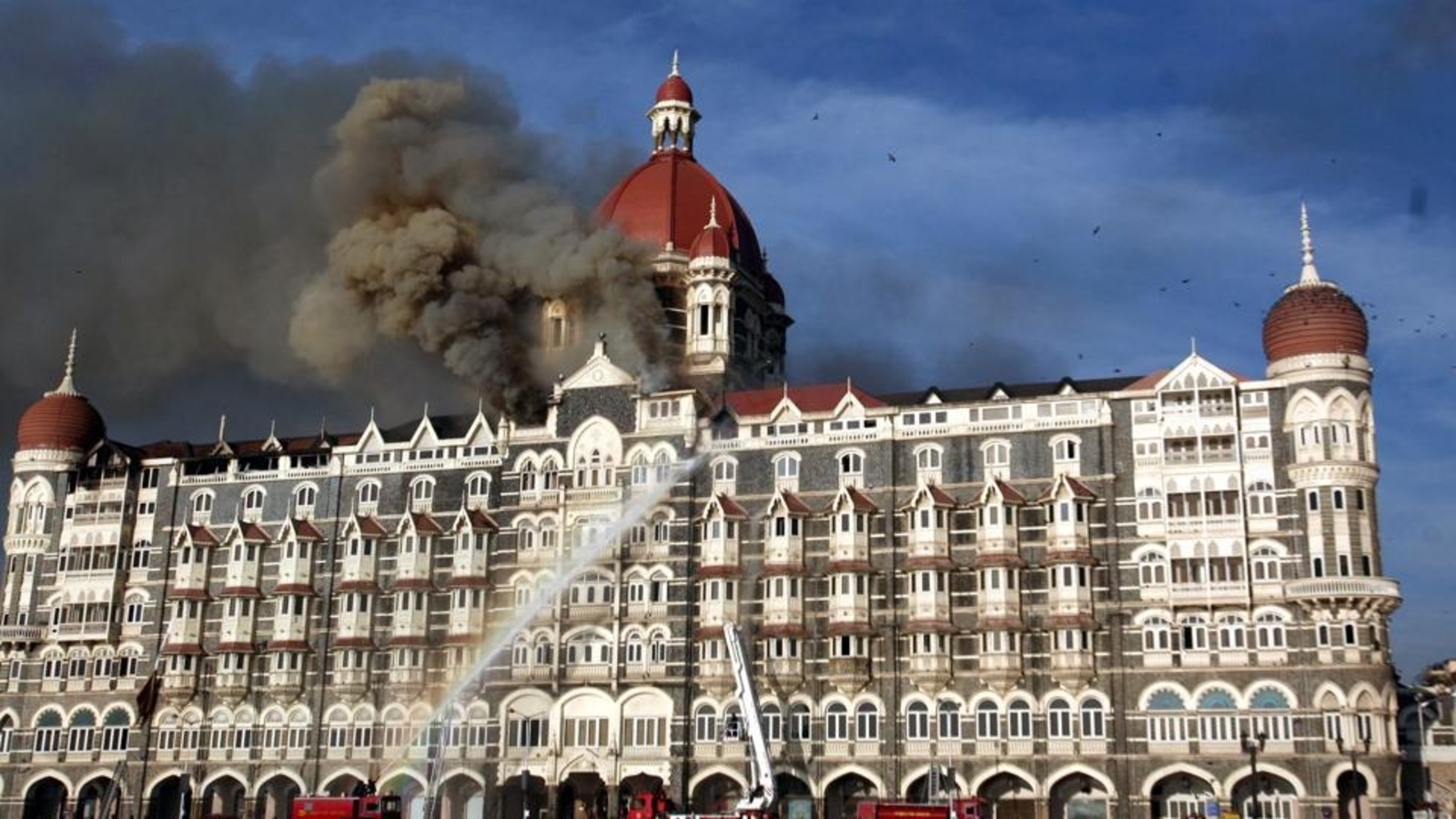
Truth Anchoring: Making Everything Credible with One Verified Fact
A highly sophisticated and calculated psychological manipulation technique was used here:
By inserting a real, publicly available voice recording, this idea was deeply planted in the audience's mind that "this is all documented truth, verified facts, authentic documentary content." Then psychologically, after this, viewers will also consider fictional, speculative, and politically biased scenes as equally truthful and factual - subconsciously forgetting to critically analyze.
Auditory Conditioning: Sophisticated Manipulation of Background Music
Immediately after, emotionally charged scenes are shown of terrorist handlers and their supporters in Pakistan watching the live TV coverage in real-time, celebrating happily, enthusiastically chanting loud "Allah hu Akbar" slogans, mocking India at the international level, insulting our government.
Here's the most important subtle point - the Deliberate Psychological Manipulation of Background Music:
In scenes of 26/11 (during Manmohan Singh government's time):
- Slow, depressing music of Defeat and Failure - playing to give a feeling of loss
- Minor key of Hopelessness and Despair - giving a "no hope" feel
- Sad tone of Shame and Embarrassment - deep sense of national shame
- Slow, dragging, depressing tempo - feeling like everything is over, government has failed
- Dark, negative emotional undertones - complete negativity
In scenes of Vajpayee government's time:
- Uplifting, energetic music - patriotic feeling of fighting and struggling
- Major key of Heroism and Bravery - openly hearing valor
- Triumphant notes of Pride and National Glory - naturally feeling pride
- Uplifting, fast-paced, patriotic tempo - feeling like something decisive happened
- Bright, positive, hopeful emotional undertones - complete positivity
This is an absolutely classic and well-researched example of Auditory Conditioning and Musical Framing. Scientific studies prove that background music fundamentally changes the emotional interpretation and cognitive processing of any scene. The exact same visual action can be perceived as hero's bravery or villain's cruelty - just by changing the music.
Neuroscience Research:
- Music directly activates the amygdala (emotion center)
- Bypasses conscious critical thinking
- Deeply embeds in memory formation
- Shapes long-term perception
Selective Portrayal: Systematically Showing Government as Weak
Several specific dialogues are explicitly scripted here - "Look at this government, how pathetically it's desperately begging America for help, shameful" (This is clearly targeting Manmohan Singh's government. Exactly the same biased framing that's systematically shown on WhatsApp forwards and partisan TV channels)
Systematic Negative Portrayal:
Here the impression is deliberately created that:
- The entire intelligence apparatus was completely sleeping, incompetent
- The government totally failed on national security, was useless
- All officials were criminally negligent, irresponsible
- The government had no concern for the country's security at all
The Absurd Logic of October 2nd
And one completely absurd, illogical, and actually baseless dialogue is shown - "October 2nd was Gandhi Jayanti - a national holiday, so critical intelligence information was completely missed because of the holiday, wasn't processed." Ranbir Singh's character says dramatically, showing emotional anger.
(This is purely fabricated nonsense with no factual basis, deliberately targeting Mahatma Gandhi unnecessarily, trying to wrongly blame his legacy)
But think about how ridiculously flawed this logic is - just check the basic timeline:
- Between October 2 (Gandhi Jayanti) and the actual attack day November 26, there are full 55 calendar days
- How is it realistically possible for 55 days for government offices, intelligence agencies to remain closed?
- Within those 55 days, there would be many working days for processing
- This is deliberate fictional creative license to excellently target Mahatma Gandhi
In this documentary-style segment, the film's pacing has been consciously and dramatically slowed down, with changed cinematography, as if we're watching a serious investigative documentary on Discovery Channel. By deliberately adding fictional politically motivated dialogue and speculative reconstructed scenes strategically with this historically verifiable true incident, the filmmaker has systematically committed creative dishonesty.
Kandahar Hijack 1999: Hiding Failure with Patriotism
Now let's talk about the beginning portions of the film. In the beginning, our Desi James Bond (R. Madhavan) is shown.
Kandahar Hijack (December 1999): IC-814 was hijacked. The plane was taken via Amritsar, Lahore, Dubai and landed in Kandahar, Afghanistan where at that time the Taliban government was in power.
(The same Taliban that returned to power in 2021 after 20 years, whom the current government welcomes with a red carpet. Ministers with laser-shooting eyes are hugging, shaking hands, giving plenty of gifts and financial aid.)
This incident was not a matter of great pride. But here a patriotic scene was added to wrap up the matter. Desi James Bond goes into the flight and shouts "Bharat Mata Ki Jai" three times with full enthusiasm. Questions arising in minds were buried in patriotic emotions.
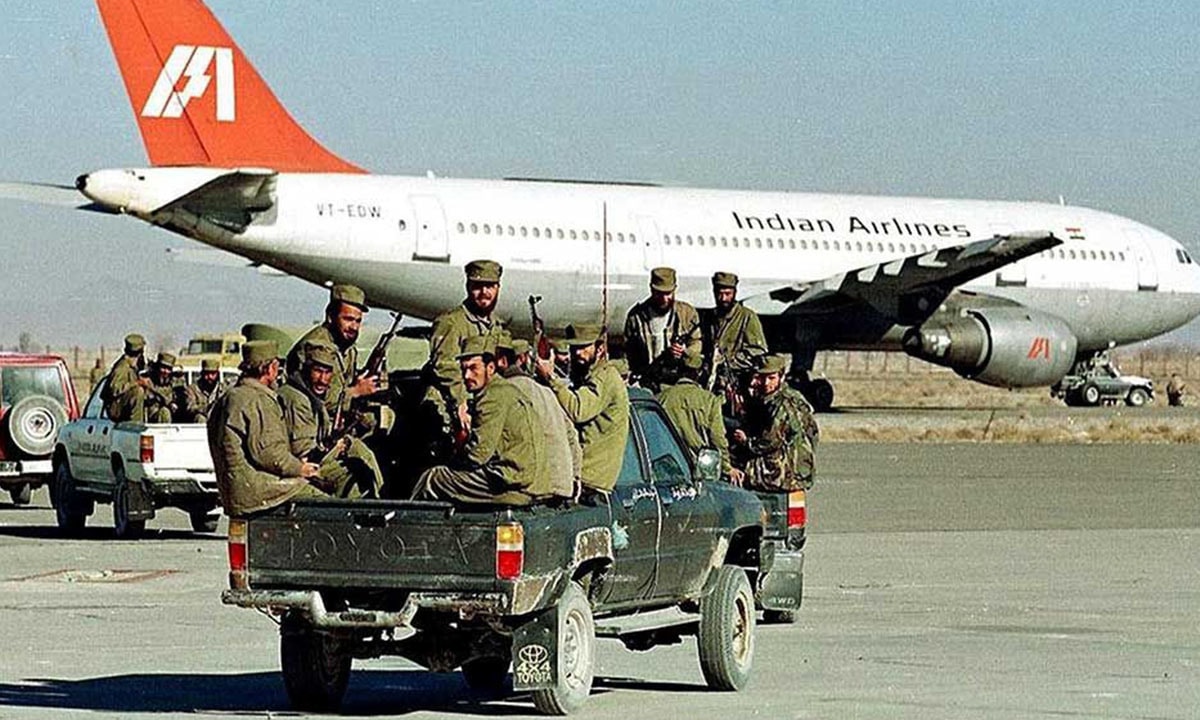
The then Foreign Minister (name not taken, but identity recognizable) and Desi James Bond themselves handed over 3 terrorists to the Taliban. In this scene, instead of failure, it's shown with heroic background sound. (Background music changes the entire meaning of a scene - Auditory Conditioning)
Anyway, this is the director-writer's (both are Aditya Dhar) choice.
The Truth: The Danger of Maulana Masood Azhar
What happened in reality after this, we all know. The Taliban pressured the Vajpayee government and got 3 dangerous terrorists released.
The most dangerous among them turned out to be Maulana Masood Azhar (head of Jaish-e-Mohammed) who carried out these attacks later:
- December 2001 - Parliament attack (just the second year after release)
- January 2016 - Pathankot Air Force base attack
- September 2016 - Uri (Army headquarters), 19 soldiers martyred
- February 2019 - Pulwama (fidayeen attack on convoy), 40 soldiers martyred
- April 2025 - Pahalgam, 26 tourists killed
- November 2025 - Delhi Red Fort area, 15 killed, 20 permanently disabled
These were the major attacks. Besides these, small attacks on army personnel keep happening regularly.
But the film doesn't have a single word about all this. Because all this was the result of that mistake by the 1999 Vajpayee government - which was shown in the film as a patriotic victory.
Parliament Attack 2001: Selective Questioning
December 2001 - Parliament attack. Here too Desi James Bond arrives, the entire atmosphere becomes emotional. A female police officer who is also a mother is shown (her child's crying voice is heard in the background). She gets shot in the neck, blood gushing like a fountain, face looks gruesome.
The writer emotionally shows the bravery and sacrifice of all those security personnel and soldiers here - which is also right.
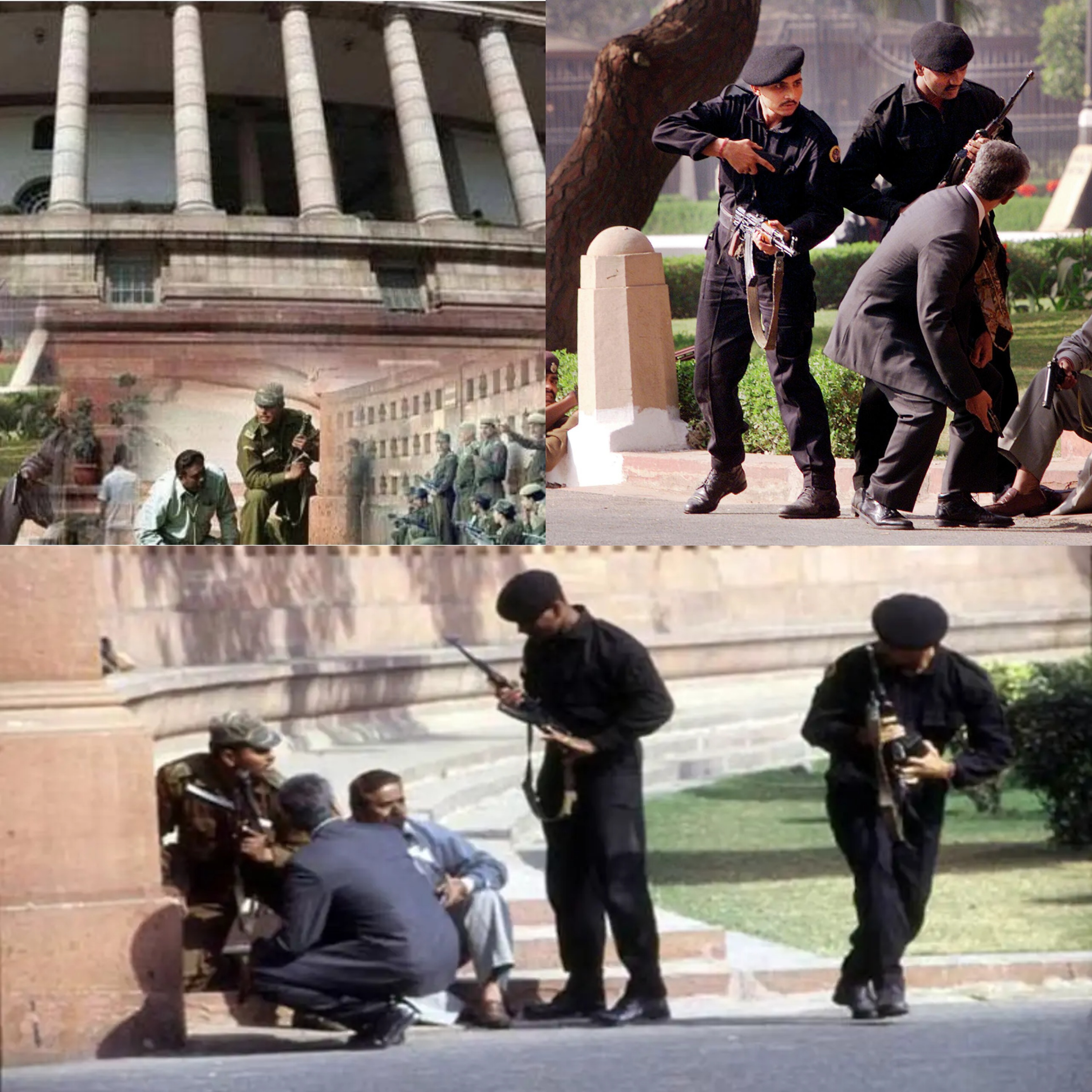
Here too, questions arising in minds were erased in emotions.
Double Standard: Vajpayee vs Manmohan Singh
So assessing these three scenes:
From Manmohan Singh's government - all questions in the world were asked, even absurd dialogues were written (the October 2nd one), Mahatma Gandhi was also dragged in.
In Vajpayee's government - forgot to ask all those questions:
- How did 5 terrorists enter the nation's capital?
- How did they reach inside Parliament?
- Where did the Parliament VIP pass come from?
- Where did the red beacon Ambassador car come from?
- Where was the intelligence system sleeping?
- Was there any intel input or not?
- What was the intelligence department doing even after releasing 3 terrorists recently?
- What retaliation did the government take after this attack? Did they do anything or not?
The writer forgot to write all this. The airplane was from the government's own airline - so wasn't anyone responsible? This question wasn't asked either.
A Fair Perspective
We all know that both Vajpayee and Manmohan Singh did their best and created heavy diplomatic pressure.
If WhatsApp University tells you that Manmohan Singh didn't do surgical strikes or direct war after attacks, then you should also know that the Vajpayee government also didn't take any retaliatory action after continuous attacks - that too after an attack on Parliament, meaning an attack on the nation's soul.
If this film's writer was genuinely pessimistic and critical by nature, he would have criticized both governments. But here one gets a complete clean chit and the other complete criminal - this is bias.
Forgetting 26/11's Real Heroes: Selective Amnesia
The writer showed the 26/11 documentary, but forgot to show that 18 people were martyred showing bravery - including army, police, and commandos.
At least they could have shown Tukaram Omble - who was unarmed and grabbed the barrel of Ajmal Kasab's AK-47 to catch him. Even after taking 40 bullets at point-blank range, he kept Kasab under control, and the only terrorist was caught alive.
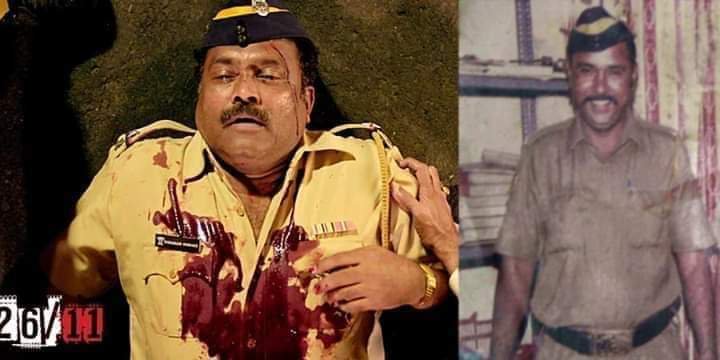
The writer didn't think this was necessary to write either.
The Most Controversial Claim: Currency Plates
And finally that thing which you probably haven't read even on WhatsApp.
Desi James Bond tells us that fake notes are flooding the country, which Pakistan is printing. And all this is happening with the help of one of India's own ministers.
The time shown is 2007. Here hints are given towards the then Finance Minister and his son - through name and time (2007). The face wasn't shown directly, meetings and silhouettes were shown.
What's Shown in the Film
The film shows:
- The minister and son themselves go to take delivery of plates (like we go to pick up clothes and shoes)
- Both make an excuse of plane malfunction in London and go to Dubai in their private jet
- They hand over the plates to an ordinary Pakistani hawala broker and return
- Dubai officials are also involved with everyone
(Regarding Dubai here - many Indians live in Dubai. Earlier, films weren't banned in Dubai. But this film was banned)
The Writer's Confusion: Who's the Criminal - the Minister or the Company?
The writer doesn't even have common sense - currency and finance related work has very strict protocols. The Finance Minister doesn't personally go and pick up plates.
The film also shows that the same company was given the work that provides note printing technology to Pakistan as well.
But they forgot that the company is 212 years old (since 1813) and works for 140 countries worldwide. Not just for India-Pakistan.
Here the writer himself seems confused:
- On one hand says the company provides technology to both Pakistan and India
- On the other hand says the minister went to Dubai to give plates
- When the company itself is the criminal, why did the minister need to take the risk of going to Dubai himself?
- When the company was already in league with Pakistani ISI, what was the need for the minister?
- If the minister is the criminal, why was the company's name dragged in?
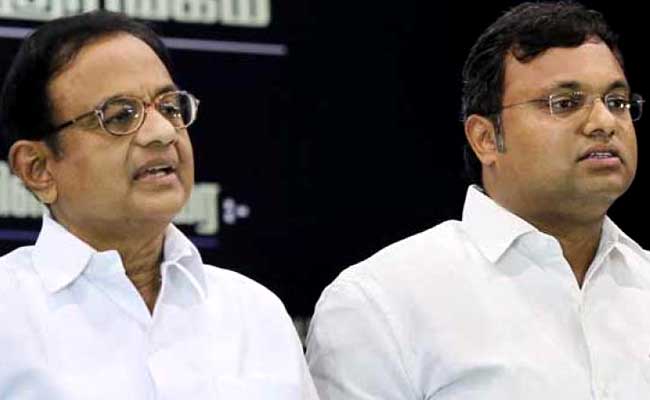
Perhaps just to create sensation by adding Pakistan's name.
Questions That Weren't Asked
Now some legitimate questions that existed before 2004, after 2014, and even after demonetization:
- The fake notes problem existed before 2004 too - which minister used to go give plates then?
- After Demonetization (2016), fake notes started coming again. The numbers may have decreased - less or more, Pakistan is still printing them.
- Now there are new notes (new series) - who gave the plates for these to Pakistan?
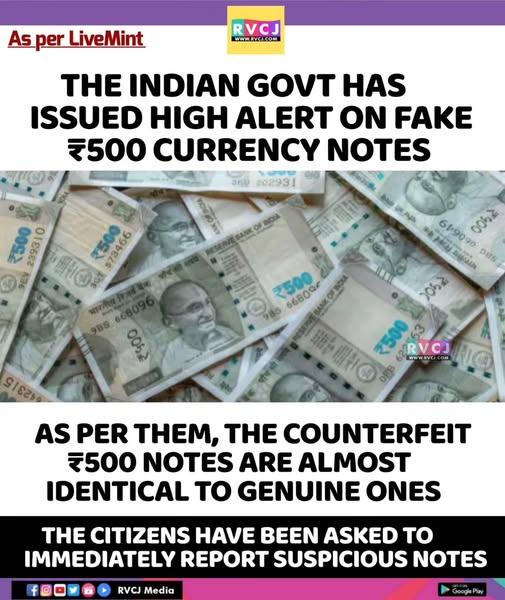
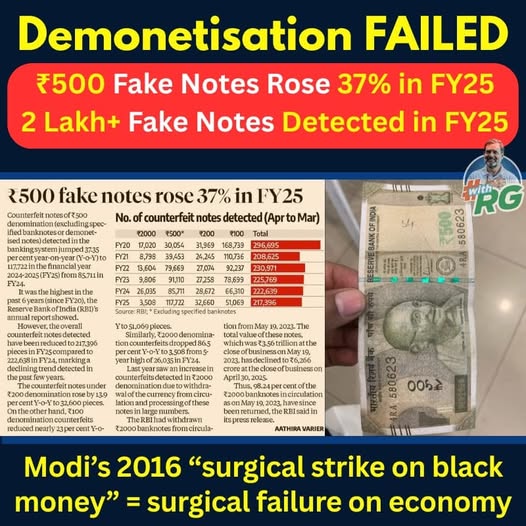
Everyone on Instagram and YouTube has attained supreme knowledge after watching the film. Everyone now knows all the secret work of RAW, IB - everyone has told how the minister was involved in terrorist activities and was the boss of Al-Qaeda, Taliban - the same minister who was formerly the country's Finance Minister and Home Minister for a long time.
Film's Characters: Fake Names, Real Faces
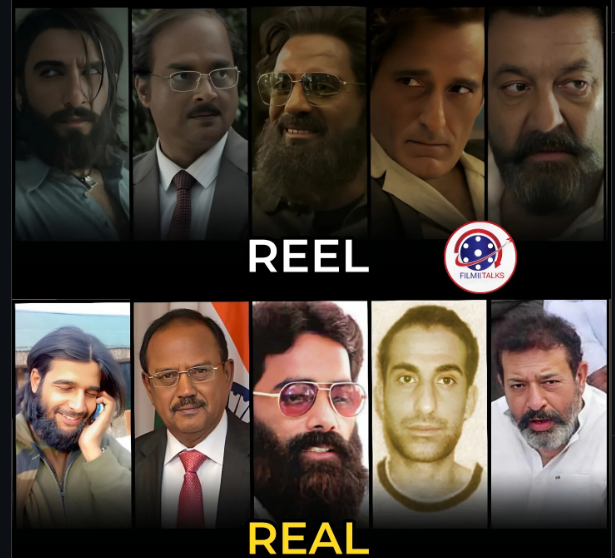
An interesting thing - if the film is fictional, then why are every character's face, hair, clothes kept exactly like real people?
For Pakistani terrorists, even every single name was real. For India, the name was changed slightly so there wouldn't be any legal problem.
This is also a psychological trick -
The real game of this trick is this - when clothes, face, makeup, getup all look like real people, then it automatically settles in the viewer's subconscious mind that "this story really happened." Even if names are changed, the brain automatically connects to real people. The writer has excellently used this technique too to play with the public's mind.
Desi James Bond's Prophecy and Selective Action
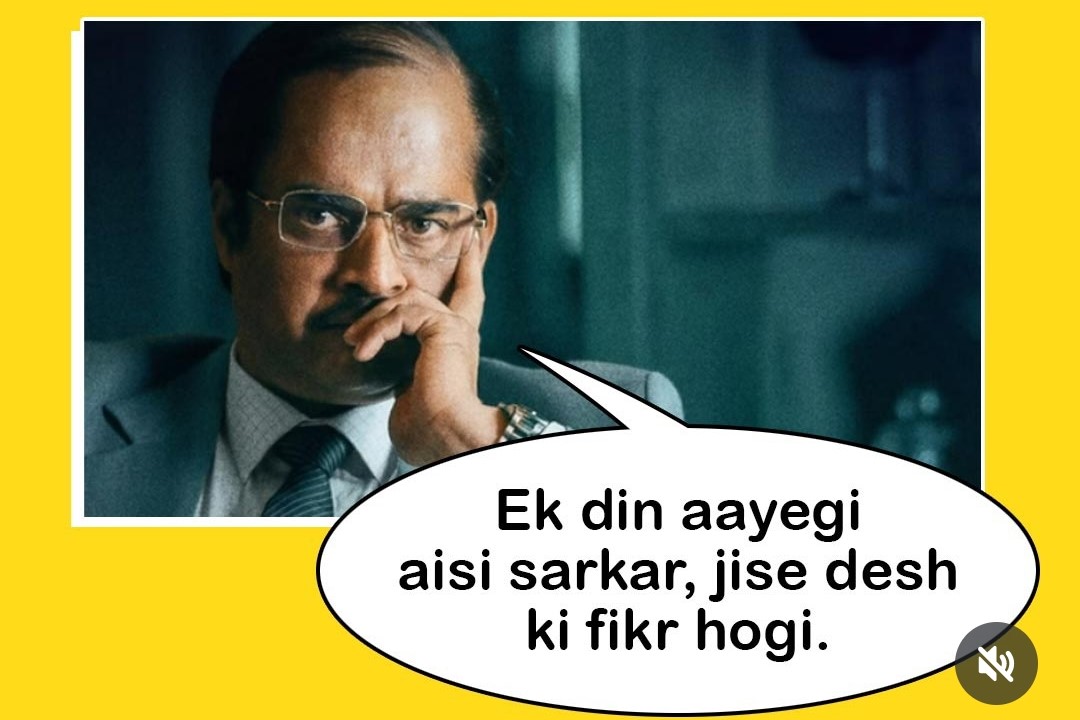
Desi James Bond knew all this (according to the film), and gets disappointed in 2005 when he retires - but he's shown again and again after that too - to establish the narrative. One dialogue that has gone viral on the internet where he says: "One day such a government will definitely come that will care about the country"
Part-2 Announcement
Just a few days after the film's release, the writer has announced making its second part. But based on what they've shown in this film, how much truth and how much fiction the next part will have - only time will tell.
The rest of the story we all know - in 2014, the self-proclaimed nationalist and true patriot government was formed.
James Bond who had retired in 2005, but the government that cared about the country called him back and placed on the highest position of the committee formed for the country's security.
James Bond Forgets to Cancel the Company's Contract?
But perhaps he forgot that the company he were accusing in the film of giving India's note plates to Pakistani & ISI - the complelety forgot to cancel its contract.
That company continued providing logistics, security and other technical help for India's currency paper notes as long as the contract existed - for more than one and a half years after the new government came. What the writer will write for this fact while making Part-2 only he knows, but in reality this is what happened.
Desi James Bond has been sitting on the chair from then till today. And during his tenure these major incidents happened:
- Pathankot attack
- Uri attack
- Pulwama attack
- Pahalgam attack
- Red Fort attack
- Manipur burned for more than two and a half years
- Now Ladakh's condition is delicate
- Including big and small ones, more than 1000 riots happened till now
- Riots on every Durga Puja, Ram Navami has became a routine now
What the writer will write for all these facts will also be worth watching in Part-2.
Arvind Mayaram's Case: Selective Memory
And one funny thing - Desi James Bond also forgot to catch Arvind Mayaram for years.
Around 2007, Desi James Bond knew everything (according to the film). But in 2023 when Arvind Mayaram joined the opposition's "Bharat Jodo Yatra", only then everyone remembered that he is the same person who had worked for Pakistan and ISI many-many years ago!
Suddenly all agencies started running after him. Arvind Mayaram was in a big position in the Finance Ministry at that time, and now Arvind is alleging that investigating agencies are pressuring him to become a witness by naming the then Finance Minister as accused.
I'm afraid that Arvind Mayaram and that minister's son might join the "patriotic party" (like many other traitors and corrupt ones did,and became pure and pious like waters of The Holy Ganaga River), then all cases will automatically close.
His IIT-IIM Lectures and Irony
We can see on youtube that James Bond goes to IIT, IIM and other prestigious institutions and says the same thing everywhere - "Why do you leave the country for money? Stay here, work for the country."
Salute to James Bond - because his own son is not a citizen of India, is a very big businessman abroad. And in 2017, according to public records, one of his partners was Pakistani.
This is the peak of irony.
Censor Board's Double Standards
The current government deliberately got this film passed from Censor Board in one stroke. Even after being so controversial - no investigation, no questions.
Otherwise we've seen:
- Heroine's orange bikini almost got a film banned (Censor Board couldn't differentiate between orange and saffron)
- "Man ki baat mat kar, kaam ki baat kar" - a film was stopped for this dialogue - because only one person has the right to the words "Mann ki Baat" and no one else can use it, this is the state of the Censor Board
- Hundreds of cases where films are stopped for even small mistakes
The Example of Rang De Basanti
Remember Rang De Basanti (2006). That film also had a Defence Minister character and showed corruption - an Air Force pilot dies because of a fighter jet purchase scam.
- Had completely fictional name
- Face, clothes nothing was kept like real
- No timeline specified
- No political party, organization or group named
- Everything was kept generalized
Even then, the Censor Board asked for clearance from the Defence Ministry. A private screening was arranged for the then Defence Minister.
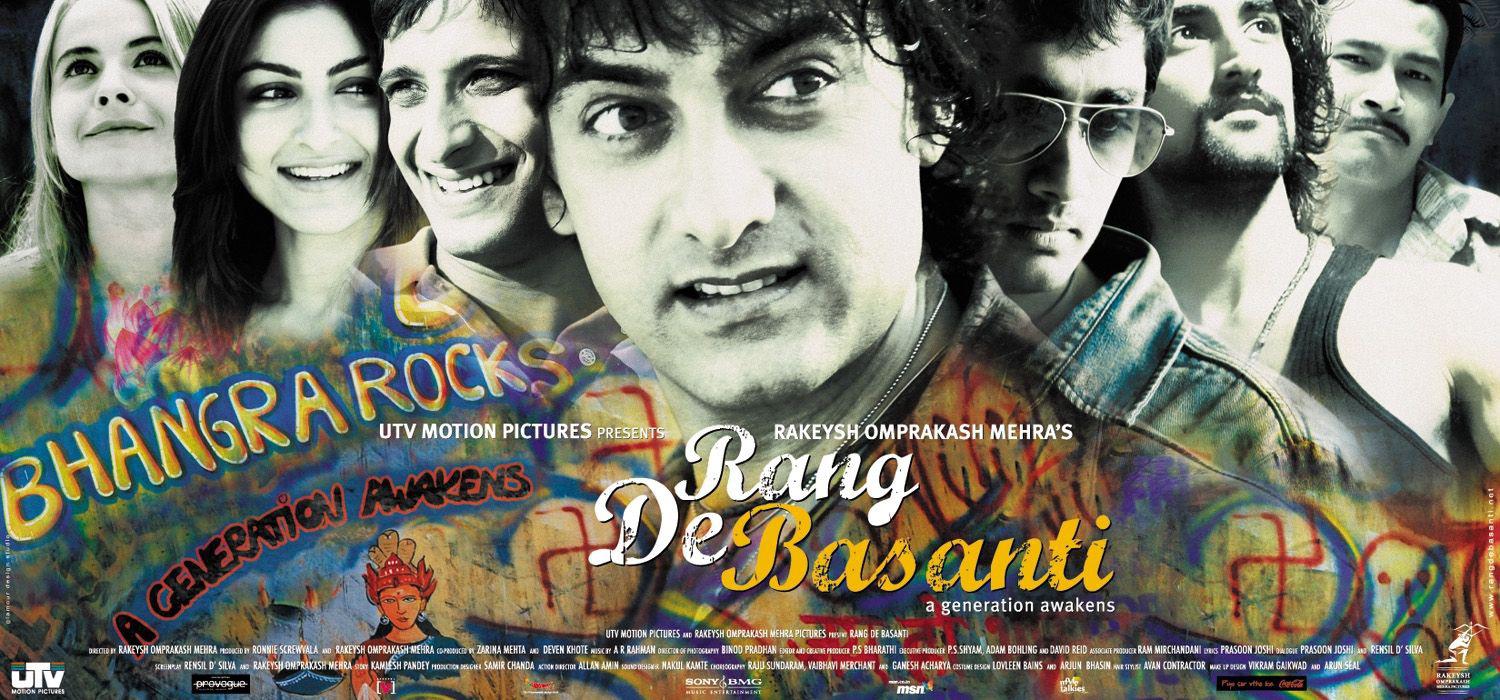
But this film got immediate green signal.
The Film's Concerning Message
Showing this is quite concerning. It's neither complete truth nor complete fiction. The writer has mixed truth and imagination according to his convenience.
Showing India's Finance Minister giving currency plates to an ordinary Pakistani hawala broker along with Dubai officials - this is damaging the country's international image.
Films were made before too, leaders were shown corrupt. But there the names, faces, party, year - all were fictional.
But here throughout the film, truth is shown mixed with imagination. This insults our country - not just one party.
India's diplomatic respect in the world has been great - not from 2014, from the beginning itself, unlike what this film tries to show.
Conclusion
From an Entertainment Perspective
From an entertainment perspective - the film is worth watching. Action scenes are good, Akshay Khanna's Rahman Dakait character is excellent, cinematography is nice.
If you just want to watch for entertainment, don't want to do any serious analysis, then you can enjoy the film.
From a Responsible Citizen's Perspective
But from a responsible citizen's perspective - this film is harmful for the country in the long-term.
Previously, no political, terrorist-linked, corruption-showing film was made like this. Everything was generalized - names fictional, faces different, time unclear.
Here one gets complete clean chit and the other complete criminal - this is biased narrative.
When cinema starts being used for political campaigns, then democracy is in danger.
And salute to the film maker - may he earn more and more money in the name of martyred soldiers without even giving them due respect.
Jai Hind.
Author's Note
This analysis is from a Social Psychology perspective. Understanding the Marketing and Psychological techniques used in the film is important.
References and Citations
Major Events and Attacks Referenced
-
26/11 Mumbai Terror Attack (2008)
- The Hindu: Mumbai Terror Attack Timeline - Comprehensive timeline of the 2008 Mumbai attacks
- BBC News: Mumbai Attacks 2008 - International coverage and verified facts
- Reuters: Voice Recordings of 26/11 Handlers - Authentication of intercepted communications
- The Times of India: Tukaram Omble's Bravery - Story of the hero who captured Kasab alive
-
Kandahar Hijacking (December 1999)
- Indian Express: IC-814 Hijack Timeline - Detailed account of the hijacking incident
- The Guardian: India's Hostage Crisis - International perspective on the crisis
- Hindustan Times: Release of Masood Azhar - Context of terrorist release
-
Parliament Attack (December 2001)
- The Hindu: Parliament Attack Report - Official timeline and facts
- Indian Express: 2001 Parliament Attack Anniversary - Comprehensive analysis
- NDTV: Parliament Attack Security Breach - Security lapses analysis
-
Pathankot Air Force Base Attack (January 2016)
- BBC: Pathankot Attack Details - International coverage
- The Hindu: Pathankot Timeline - Verified timeline
-
Uri Attack (September 2016)
- Al Jazeera: Uri Attack Report - International documentation
- The Times of India: Uri Attack Details - Comprehensive coverage
-
Pulwama Attack (February 2019)
- Reuters: Pulwama Attack Report - International news coverage
- BBC: Kashmir Pulwama Attack - Verified facts and analysis
- The Guardian: Pulwama Terror Attack - Global perspective
Film Criticism and Controversy
-
Critics Harassment Incidents
- The Wire: Film Critics Face Online Abuse - Documentation of harassment faced by critics
- Scroll.in: Culture of Silencing Critics - Analysis of organized trolling
- The Print: Freedom of Expression in Film Criticism - Context on freedom of expression
-
Major Mohit Sharma Legal Case
- Hindustan Times: Major Mohit Sharma Family Petition - Family's legal action
- Indian Express: Dhurandhar Film Legal Notice - Legal proceedings coverage
- Live Law: Delhi High Court Hearing - Court proceedings
-
Film Ban in Arab Countries
- Gulf News: Film Ban in UAE - Coverage of regional ban
- Khaleej Times: Controversial Content in Film - Reasons for ban
Psychological and Marketing Techniques
-
Auditory Conditioning and Musical Framing
- Psychology Today: Music and Emotional Manipulation - Scientific basis of music's emotional impact
- Journal of Consumer Psychology: Background Music Effects - Research on auditory conditioning
- Frontiers in Psychology: Music in Film Perception - Academic research on film music psychology
-
Cognitive Dissonance and Marketing
- Harvard Business Review: Cognitive Dissonance in Marketing - Marketing strategy analysis
- American Psychological Association: Cognitive Dissonance Theory - Psychological foundations
-
Truth Anchoring and Narrative Manipulation
- MIT Technology Review: Misinformation and Truth Anchoring - Analysis of propaganda techniques
- Columbia Journalism Review: Mixing Fact and Fiction - Journalistic analysis
Political and Historical Context
-
Fake Currency and Note Printing
- Reserve Bank of India: Counterfeit Currency Report - Official statistics on fake currency
- Economic Times: Fake Currency Racket - Analysis of counterfeit currency issue
- Business Standard: Post-Demonetization Fake Notes - Continuation of the problem
-
India-Pakistan Relations and Terrorism
- Council on Foreign Relations: India-Pakistan Conflict - Academic analysis
- Brookings Institution: Kashmir Conflict Analysis - Think tank perspective
-
Censor Board and Film Certification
- The Hindu: CBFC Guidelines and Controversies - Analysis of censorship practices
- Indian Express: Film Censorship in India - Editorial perspective
- Live Law: Supreme Court on Film Censorship - Legal framework
Background on Intelligence and Security
-
RAW and Intelligence Operations
- Strategic Analysis Journal: Intelligence Operations in India - Academic research
- Observer Research Foundation: Intelligence Failures Analysis - Policy research
-
Social Media and Political Propaganda
- Reuters Institute: Digital Propaganda in India - Media research
- The Wire: WhatsApp and Political Misinformation - Analysis of digital propaganda
Additional Context
-
Film as Political Tool
- Journal of Communication: Political Cinema Analysis - Academic perspective
- Economic and Political Weekly: Cinema and Politics in India - Scholarly analysis
-
ORCID and Academic Citation Standards
- ORCID.org: Digital Identifier for Researchers - Academic identification system
- APA Style: Citing Films and Media - Citation guidelines
Citation Note for ORCID Submission
This article analyzes the psychological and marketing techniques employed in the controversial Indian film "Dhurandhar," examining how historical events (26/11 Mumbai attacks, Kandahar hijacking, Parliament attack) are selectively portrayed through auditory conditioning, truth anchoring, and narrative manipulation to create political bias. The analysis draws on social psychology research, media studies, and documented evidence of the referenced historical events. All factual claims about terrorist attacks are verified through multiple credible news sources including Reuters, BBC, The Hindu, and Hindustan Times.
Keywords: Film Analysis, Political Cinema, Psychological Manipulation, Auditory Conditioning, Cognitive Dissonance, Truth Anchoring, Media Propaganda, India-Pakistan Relations, Terrorism, 26/11 Mumbai Attack, Kandahar Hijacking, Parliament Attack
Article Type: Critical Analysis / Film Criticism / Social Psychology
Date Published: December 15, 2025
All citations accessed and verified as of December 2025
Tags
About the Author
Vikas Singh "विमुक्त"
Editor of CogniSocial Research
Software Professional, Social Psychologist, Digital Marketer, Environmental & Civil Rights Activist. Researching how digital platforms shape human cognition and behavior, while advocating for social justice, environmental protection, and civil liberties.
Learn More About Author
Social Linksconnect with me